Key Points
- Finishing attics, basements, or converting garages can add major space without expanding your home’s footprint.
- Kitchen, bathroom, and bump-out additions offer targeted upgrades with a strong return on investment.
- Second stories, ADUs, and bonus rooms give you custom space for multigenerational living, remote work, or added comfort.
Make Room for Possibility

Thinking about adding space but not sure what kind of addition makes the most sense? Wondering if it’s better to build up, bump out, or transform what you’ve already got? This post breaks down smart, high-impact home addition ideas that give you more room without wasting your money or your time.
By the end, you’ll know which options fit your home addition space, your budget, and your lifestyle goals.
What Are the Best Home Addition Ideas to Increase Living Space?
- Finish the basement or attic
- Build a second-story addition
- Create a room over the garage
- Sunroom addition
- Mudroom
- Kitchen bump-out
- Convert an attached garage into a livable room
- Home gym
- Home office
- In-law suite
Additions That Maximize Existing Structures
Finish Your Basement
Your basement could be the key to gaining serious living space without touching the roofline.
By finishing this often-underused area, you can turn it into a playroom, guest suite, home theater, or even a full apartment.
Since the structure already exists, this type of room addition often costs less than building from scratch.
Convert Your Attic
The attic is another hidden opportunity for extra space, especially if you’re working with a steep roof pitch and decent ceiling height.
Add dormers to let in natural light and create room for stairs, and you can transform this area into a cozy bedroom, study, or art loft.
Room Over Garage
Instead of expanding outward, consider going up.
A room over the garage gives you more space without affecting your driveway or yard.
Whether you turn it into an extra bedroom, home office, or bonus hangout zone, this type of second-story addition is perfect for families needing flexibility.
Just make sure the garage’s structure can support the weight of a full room addition.
Attached Garage Conversion
If you don’t park inside your garage, you’re sitting on a major opportunity.
A garage conversion turns square footage you rarely use into a livable space like a guest suite, playroom, or even a small apartment for aging parents.
You’ll need to insulate, add drywall, and extend HVAC, but you already have the walls, roof, and foundation.
Let’s talk about what home addition you want.
Build Outward for Flexible Living
Bump-Out Additions
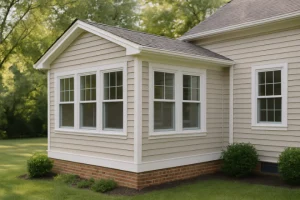
Bump-outs are small, targeted extensions that give a room more breathing room without the price tag of a full addition. You might add just a few feet to your kitchen or bedroom to create space for a dining nook, closet, or reading corner.
Kitchen Expansions
A bigger kitchen is one of the top reasons homeowners look into remodeling or room additions.
Whether you want space for an island, pantry, or larger dining area, a kitchen expansion is a powerful upgrade.
Bathroom Additions or Expansions
Adding or expanding a bathroom can make everyday life way more convenient, especially for large families or homes with only one bathroom.
Whether it’s a powder room near the main living area or a full bathroom for the primary bedroom, this type of addition enhances both comfort and property value.
Mudroom Additions
Mudrooms help keep the rest of your house clean and organized by giving your family a dedicated place to drop shoes, coats, and backpacks.
They’re especially useful in climates with snow, rain, or lots of dirt.
With custom storage, hooks, and built-ins, a mudroom addition can double as a laundry zone or pet area, offering a ton of function in a small footprint.
Add Outdoor Living Spaces
Sunroom Additions
A sunroom addition blends the best of indoor comfort and outdoor charm.
It gives you a bright, relaxing space with natural light, seasonal views, and year-round use when properly insulated and heated.
These additions increase the livable square footage of your home without complex construction.
Sunrooms also serve as casual lounges, plant rooms, or quiet work-from-home spots.
Covered Patios and Outdoor Living Rooms
Outdoor living is a growing trend for homeowners who want more space without a full remodel.
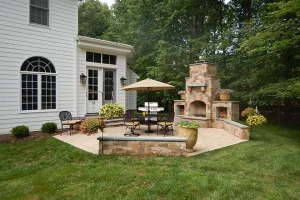
Covered patios and decks with built-in lighting, fireplaces, or even outdoor kitchens create functional zones perfect for relaxing or hosting after a day at the Leesburg Flower & Garden Festival.
They’re perfect for families who spend a lot of time outside and want to blur the line between the indoors and the outdoors.
Porch Enclosures
If your front or back porch already has a roof, enclosing it is one of the most cost-effective ways to get a sunroom or sitting area.
Add windows, insulation, and HVAC, and you’ve created a new space without starting from scratch.
Major Home Expansions and Custom Builds
Second Story Additions
A second-story addition doubles your square footage without expanding your home’s footprint—an ideal solution in dense areas near Arlington, where space is at a premium but the skyline is still yours to shape.
This type of story addition is a major investment, but it gives you the chance to add multiple bedrooms, bathrooms, or even an entirely new layout.
It’s perfect for a growing family or anyone who wants more space without sacrificing their yard.
Just be prepared for engineering assessments, a new roof, and temporary relocation during construction.
Detached Accessory Dwelling Units (ADUs)
An accessory dwelling unit is a self-contained living space on the same property as your main house.
It could be a backyard cottage, converted shed, or standalone studio.
ADUs are great for aging parents, adult children, rental income, or home offices.
Though they often come with zoning and permit hurdles, they offer unmatched versatility and long-term value.
Luxury Primary Suite Additions
If your primary bedroom doesn’t feel like a retreat, it might be time to add a luxury suite.
These room additions often include a spa bathroom, walk-in closet, and lounge or sitting area. They work best when located away from busy areas of the home, giving you a quiet and private place to recharge.
Specialty and Lifestyle Additions
Multi-Use Bonus Rooms
A bonus room can be anything you want: a home gym, a yoga studio, a craft space, or a chill hangout for teens.
These flexible room additions help you tailor your house to your lifestyle without committing to a single purpose. They’re a smart investment for families whose needs change every few years.
Modular Home Additions
Modular additions are pre-built sections constructed off-site, then attached to your home. They’re faster to install and sometimes more cost-effective than a conventional addition, but they do have design limitations.
Enhanced Laundry Room
If your laundry area feels as tight as trying to parallel park near Old Town Alexandria on a weekend, a small remodel can go a long way.
Upgrading to a full laundry room with counter space, shelving, and even a utility sink makes everyday chores easier. These additions are often bundled with mudrooms or kitchen renovations for maximum efficiency.
Don’t forget about carriage houses.
Make Room to Grow with Foley Construction & Contracting
When you’re ready to create more living space that actually works for your family, Foley Construction & Contracting can bring your home addition ideas to life. From finished basements to second-story builds, we handle every detail with expert care and Northern Virginia know-how.
If you’re picturing more room to breathe, host, or grow, fill out our contact form today or give us a call. Let’s turn your square footage dreams into a plan that fits your home and your lifestyle.