
It’s Okay to Get Carried Away
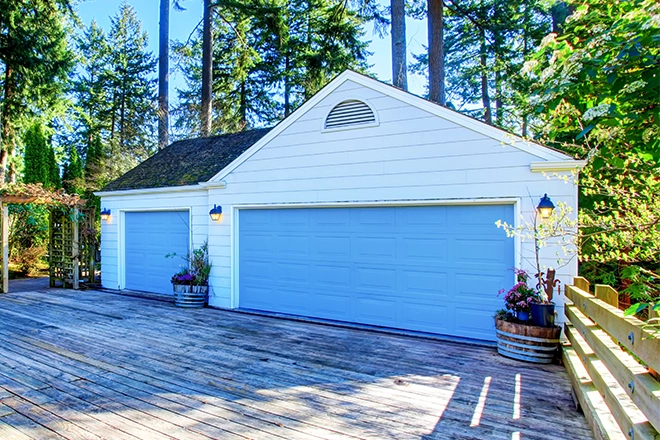
A carriage house is a historic structure originally built to store horse-drawn carriages and their equipment. Modern carriage houses often serve as guesthouses, garages, or rental units. They typically feature a compact design with living space above or beside a garage.
Discover the Charm and Functionality of Carriage Houses
If you’re a homeowner in Purcellville, VA, looking to add a stylish and functional structure to your property, a carriage house might be the perfect solution. Whether you envision it as a guest retreat, rental property, or workspace, these timeless structures offer a blend of elegance, practicality, and investment potential.
But what is a carriage house, exactly? While the term originates from the 18th century, carriage homes today serve a variety of modern purposes, all while maintaining their historic charm. This guide will help you understand what a carriage house is, its benefits, and what to consider when building one in Northern Virginia.
What Is a Carriage House? Understanding the History and Modern Use
The Origins of Carriage Houses
Historically, a carriage house—also called a coach house—was a detached structure built to store horse-drawn carriages and related equipment. Many of these buildings included living quarters above the storage area for groomsmen or other estate staff. These structures were common in estates throughout Virginia’s historic districts, reflecting the architectural styles of their time.
The Evolution of Carriage Homes
Today, carriage houses in Virginia have evolved into luxury accessory dwelling units (ADUs) that serve as independent living spaces while complementing the aesthetics of the main home. Whether used as a guest suite, private rental, or home office, a modern carriage house can provide functional and flexible space tailored to your needs.
The Benefits of Building a Carriage House in Purcellville, VA
1. Expanded Living Space
A carriage house provides a self-contained living area that can serve as a private residence for extended family, guests, or even a live-in caretaker. With Virginia’s growing demand for multi-generational housing, carriage homes offer a practical solution.
2. Potential Rental Income
In areas like Loudoun County, where housing demand is high, a well-designed carriage house apartment can serve as a short-term or long-term rental. Whether you use it for Airbnb or a full-time tenant, a luxury ADU can generate passive income while increasing your property’s value.
3. Enhanced Property Value
High-end carriage homes in Virginia can significantly boost your home’s resale appeal. Buyers looking for properties with income-generating potential or detached living quarters see these additions as a major asset.
4. Architectural Elegance
Carriage houses are not just practical; they add a touch of historic charm to a property. Using premium materials like James Hardie siding, masonry veneer, and custom woodwork, you can create a structure that blends seamlessly with your existing home.
Designing a Carriage House: Key Considerations
Architectural Style & Cohesion
When designing your carriage home in Purcellville, it’s essential to match the style of your primary residence. Whether you own a colonial, craftsman, or modern farmhouse, a well-planned coach house should enhance—not compete with—your property’s aesthetic.
Functional Layout & Space Optimization
Most carriage houses include:
- A garage (2-3 car capacity) with an apartment above or adjacent
- Living quarters (650-800 sq. ft.) with a kitchen, bath, and bedroom
- Multi-use areas for home offices, studios, or rental spaces
Premium Materials & Finishes
To ensure longevity and curb appeal, consider high-end construction materials such as:
- James Hardie fiber cement siding for durability against Virginia’s weather
- Upgraded interior finishings, including custom cabinetry and stone countertops
- Faux slate roofs and masonry accents for a polished, high-end appearance
Energy Efficiency & Sustainability
Incorporating mini-split HVAC systems, energy-efficient windows, and smart home technology can make your carriage house eco-friendly and cost-effective in the long run.
Legal & Zoning Regulations in Virginia
Permitting & Zoning Laws in Purcellville
Before starting construction, it’s crucial to understand Virginia’s ADU laws and local zoning regulations. Many counties, including Loudoun County, have specific guidelines regarding:
- Setback requirements and property line distances
- Maximum square footage for accessory dwellings
- Height restrictions and utility connections
HOA & Historic District Restrictions
If your property falls under a Homeowners Association (HOA) or within a designated historic district, you may need additional approvals. Consulting with a local contractor familiar with Purcellville’s building codes can help you navigate the process.
How Much Does a Foley Construction Built Carriage House Cost?
Standard Carriage Home ($450,000+)
- 2-car garage with a 650-800 sq. ft. apartment
- Vinyl siding & masonry accents
- Basic finishes & fixtures
- Completion: 3-5 months
Deluxe Carriage Home ($550,000+)
- 3-car garage with expanded living space
- Premium countertops, custom cabinetry
- Upgraded interior finishings
- Completion: 3-5 months
Premium Carriage Home ($650,000+)
- Luxury finishes, faux slate roof, and insulated garage
- Smart HVAC mini-split system for temperature control
- James Hardie siding and stone veneer exterior
- Completion: 4-6 months
Pros & Cons of Living in a Carriage House
Pros:
- Privacy: Detached from the main house, offering a quiet retreat.
- Versatility: Can be used as a guesthouse, rental property, or workspace.
- Income Potential: Short-term or long-term rental opportunities.
- Architectural Appeal: Adds charm and historic character to a property.
Cons:
- Limited Space: Smaller than a traditional home, which may require downsizing.
- Zoning Restrictions: Some areas have strict regulations on ADUs.
- Utility Costs: If separately metered, can increase utility expenses.
- Upfront Investment: High-quality finishes and construction costs can be substantial.
Famous Carriage Houses: Notable Examples
The Dakota Carriage House (New York, NY)
Originally part of the famous Dakota apartment building, this historic carriage house exemplifies late 19th-century luxury and craftsmanship.
The Carriage House at Biltmore Estate (Asheville, NC)
Part of the legendary Vanderbilt estate, this carriage house was designed to house elegant carriages and featured opulent living quarters above.
The Henry Ford Estate Carriage House (Dearborn, MI)
Built to accommodate Henry Ford’s early automobiles, this carriage house showcases the transition from horse-drawn carriages to motorized vehicles.
Ready to Build Your Carriage House in Virginia? Here’s What to Do Next
A carriage house is a long-term investment that can provide flexible living space, passive income, and timeless architectural appeal. If you’re considering building one on your Purcellville, VA property, take these next steps:
- Consult with a Local Design-Build Expert – Work with an experienced contractor who understands Virginia’s zoning laws and premium construction materials.
- Plan Your Budget and Timeline – Determine your financial investment and estimated project duration.
- Secure Permits and HOA Approvals – Ensure you meet all local regulations before breaking ground.
- Start Your Dream Carriage House Project – Partner with a trusted builder to bring your vision to life.
Interested in getting started? Contact a local carriage home builder today to discuss your project!


